
 11
11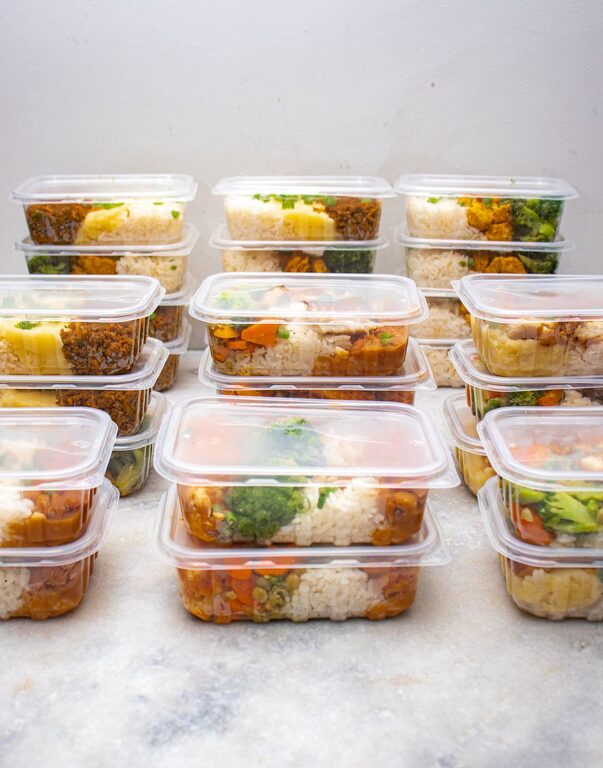
Planning balanced meals can feel overwhelming, especially with busy schedules and endless food choices. However, establishing a simple routine and understanding the basics of nutrition can make meal planning enjoyable and stress-free. This guide will walk you through easy strategies to create nutritious meals that satisfy your body and your taste buds.
A balanced meal includes a variety of food groups that provide essential nutrients: carbohydrates, proteins, healthy fats, vitamins, and minerals. The goal is to give your body energy and the nutrients it needs to function well.
– Proteins: Help build and repair tissues. Examples include lean meats, fish, beans, tofu, eggs, and dairy.
– Carbohydrates: Provide energy, especially complex carbs like whole grains, vegetables, and fruits.
– Fats: Necessary for brain function and hormone production. Focus on healthy fats from nuts, seeds, avocados, and olive oil.
– Vegetables and Fruits: Rich in fiber, vitamins, and minerals.
– Dairy or Dairy Alternatives: Offer calcium and vitamin D.
Begin by visualizing your plate:
– Half filled with vegetables and fruits
– One quarter with lean protein
– One quarter with whole grains or starchy vegetables
– Add a small portion of healthy fats
This “plate method” is a quick way to plan without complicated calorie counting.
Meal planning doesn’t mean sacrificing flavor. Choose foods you and your family like. Mixing familiar favorites with new ingredients keeps meals interesting without stress.
Eating different foods throughout the week ensures you get a range of nutrients. Try rotating various proteins, vegetables, and grains. For example:
– Monday: Grilled chicken, quinoa, roasted broccoli
– Tuesday: Lentil stew, brown rice, mixed greens
– Wednesday: Baked salmon, sweet potato, asparagus
Take 10–15 minutes once a week to list meals you want to prepare. Write down the recipes, ingredients needed, and shopping list. This habit reduces last-minute decisions and food waste.
Cooking large batches or prepping ingredients ahead saves time on busy days. You can:
– Roast multiple vegetables for use in different meals
– Cook grains or beans in advance
– Chop veggies and store them in airtight containers
Stock your pantry and fridge with nutritious basics so you can quickly assemble meals:
– Canned beans and lentils
– Frozen vegetables and fruits
– Whole grains like brown rice, oats, or whole wheat pasta
– Nuts, seeds, and healthy oils
Choose recipes with fewer ingredients and straightforward steps. Simple meals can be delicious and nutritious without feeling complicated.
Ask for input from family members about what they want to eat. Involving everyone makes meal planning more fun and ensures meals are enjoyed.
Balanced meals don’t have to be perfect every day. Flexibility is key. Some days might include treats or simpler meals, and that’s okay.
Transform leftovers into new meals. For example, roasted vegetables can become a hearty soup or a filling for a wrap.
If you prefer digital help, there are many free or paid apps that guide you through meal planning and grocery shopping.
To get started, here are a few easy meal ideas incorporating all food groups:
– Breakfast: Greek yogurt with mixed berries, a sprinkle of granola, and a handful of nuts
– Lunch: Turkey and avocado wrap with whole wheat tortilla, side of carrot sticks and hummus
– Dinner: Stir-fried tofu with brown rice and steamed mixed vegetables, drizzled with sesame oil
– Snack: Apple slices with peanut butter
Planning balanced meals doesn’t need to be a source of anxiety. By using simple frameworks, preparing ahead, and keeping variety in mind, you can nourish your body with wholesome foods without stress. Remember, the best meal plan is one that fits your lifestyle and brings enjoyment to your table. Start small, stay consistent, and enjoy the process of creating meals that support your health and happiness.