 11
11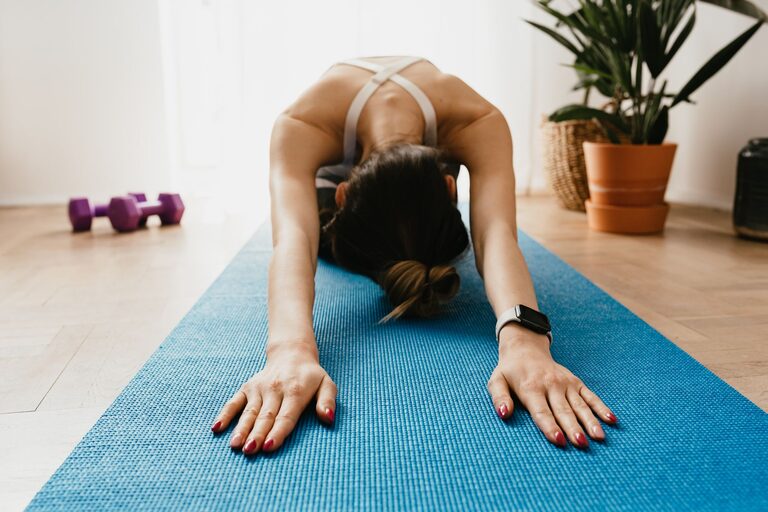
Stretching is a simple yet powerful way to improve your overall health and well-being. Whether you’re aiming to increase flexibility, reduce muscle tension, or just relax after a long day, incorporating stretching into your routine is a great step. The best part? You don’t need a gym or fancy equipment – you can stretch comfortably at home.
This beginner’s guide will walk you through the basics of stretching at home, including when and how to stretch, simple routines to get started, and tips for staying safe.
Stretching helps to lengthen your muscles and joints, improving range of motion and flexibility. This can enhance your posture, reduce muscle stiffness, and even lower your risk of injury in daily activities. Regular stretching also encourages blood flow, which promotes muscle recovery and relaxation.
Light stretching before a workout can prepare your muscles and joints for movement. Focus on dynamic stretches—those involving gentle motion—to warm up your body.
Stretching after exercise is a great way to cool down and reduce muscle soreness. This is the time for static stretches, where you hold a stretch for 15–30 seconds.
Stretching doesn’t have to be tied to workouts. Taking short stretch breaks during the day can help relieve tension, especially if you spend a lot of time sitting.
These stretches involve movement and help warm up muscles. Examples include leg swings, arm circles, or walking lunges.
Static stretches involve holding a position to lengthen muscles. This can be helpful for improving flexibility and relaxing muscles after activity.
This involves bouncing movements and is generally not recommended for beginners due to the risk of injury.
Here’s a simple full-body stretching routine you can do at home. Aim to hold each stretch for about 20–30 seconds and repeat 2–3 times.
– Sit or stand comfortably.
– Slowly tilt your head toward your right shoulder until you feel a gentle stretch on the left side.
– Hold, then switch sides.
– Extend your right arm across your chest.
– Use your left hand to gently pull your right arm closer to your chest.
– Hold, then switch arms.
– Raise your right arm overhead, bending the elbow to reach down your back.
– Use your left hand to gently push the right elbow.
– Hold, then switch sides.
– Stand in a doorway with your arms bent at 90 degrees and placed on the doorframe.
– Step forward slowly until you feel a stretch across your chest.
– Hold for 20–30 seconds.
– Stand with your feet hip-width apart.
– Raise your right arm overhead and gently lean to the left.
– Hold, then switch sides.
– Sit on the floor with one leg extended straight and the other bent.
– Reach toward your toes on the extended leg, keeping your back straight.
– Hold, then switch legs.
– Stand and hold onto a chair or wall for balance.
– Bend your right knee and bring your heel toward your buttocks.
– Hold your ankle with your right hand.
– Hold, then switch legs.
– Stand facing a wall, place your hands on the wall, and step one foot back.
– Keep the back leg straight and heel on the floor.
– Lean into the wall until you feel a stretch in your calf.
– Hold, then switch legs.
– Warm up first: Stretching cold muscles can increase injury risk. A few minutes of walking or light activity helps.
– Don’t bounce: Use smooth, steady movements when stretching to avoid muscle strain.
– Listen to your body: Stretch only to the point of gentle tension, not pain.
– Breathe: Remember to breathe deeply and steadily while stretching to help your muscles relax.
– Consistency is key: Regular stretching—at least 3 times a week—offers the best results over time.
If you have chronic pain, injuries, or medical conditions, it’s a good idea to talk to a healthcare provider or physical therapist before starting a stretching routine. They can recommend stretches suited to your individual needs.
Stretching is a simple, accessible practice you can easily do at home to enhance your mobility and relieve tension. Starting with basic stretches and focusing on consistency will help you build flexibility and feel better in your daily life. Remember to be patient—improvements take time, but the benefits are well worth it.
Get started today and enjoy the positive impact of stretching on your body and mind!