 11
11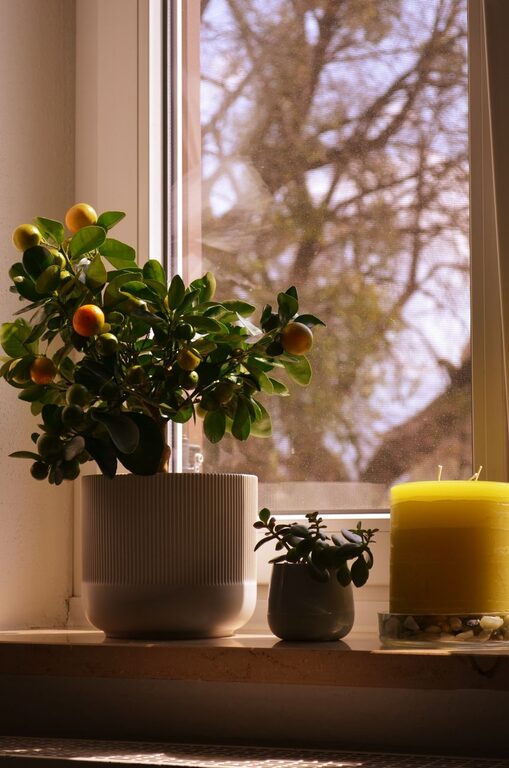
Bringing plants into your home is a wonderful way to refresh your space, adding life, color, and a breath of fresh air. Whether you’re a seasoned plant parent or just starting out, incorporating greenery can enhance your mood, boost creativity, and improve indoor air quality. In this guide, we’ll explore practical tips on how to select the right plants, arrange them beautifully, and care for them to create a vibrant and welcoming home.
Plants do more than decorate—they connect us with nature, which can be calming and inspiring. Here are some benefits of adding plants to your living space:
– Improved air quality: Many plants help filter toxins and add moisture to the air.
– Boosted mood and productivity: Being around greenery can reduce stress and increase focus.
– Visual appeal: Plants add texture, color, and natural elements that brighten any room.
Selecting plants that fit your home environment and lifestyle is key to successful green décor.
Plants have different light needs. Before buying, assess the natural light in your space:
– Bright indirect light: East or west-facing windows work well for plants like spider plants, pothos, and peace lilies.
– Low light: North-facing rooms or shaded areas suit snake plants, ZZ plants, or philodendrons.
– Direct sunlight: South-facing windows are ideal for succulents, cacti, and herbs.
Be realistic about how much time you can dedicate to plant care:
– Low-maintenance: Snake plants, ZZ plants, and pothos tolerate occasional neglect.
– Regular attention: Ferns and peace lilies may need more frequent watering and humidity.
– For enthusiasts: Orchids or bonsai require careful care but offer rewarding results.
Think about where you’ll place your plants and how much space you have:
– Small plants: Perfect for desks, shelves, or windowsills.
– Medium plants: Great for tables or plant stands.
– Large plants: Use floor space near corners or open areas for statement pieces like fiddle leaf figs or rubber plants.
Once you have your plants, consider how to showcase them stylishly.
Grouping plants with similar care needs creates mini indoor gardens and helps maintain humidity. Use a variety of heights and leaf shapes for visual interest.
Hanging planters, wall-mounted pots, and plant shelves make use of vertical space and keep floors clear. Trailing plants like pothos and string of pearls look beautiful cascading down.
Combine plants with books, candles, and artwork to create cozy, personalized vignettes. Natural materials like wood and rattan complement greenery well.
Unique pots or containers can add personality. Try teacups, mason jars, or vintage tins to house your plants for a charming touch.
Healthy plants need proper care. Follow these simple steps:
– Water correctly: Overwatering is a common problem. Check soil moisture and water only when the top inch feels dry.
– Provide proper light: Keep plants in spots that match their light needs, and rotate them occasionally for even growth.
– Feed your plants: Use fertilizer during the growing season (spring and summer) according to package instructions.
– Prune and clean: Remove dead leaves and dust off foliage to promote photosynthesis and discourage pests.
– Monitor for pests: Look for signs like discolored leaves or sticky residue. Treat with natural remedies as needed.
– Humidity: Many houseplants prefer moist air. Use a humidifier or place plants on trays filled with water and pebbles.
– Temperature: Avoid placing plants near cold drafts or heating vents.
– Propagation: Try propagating your plants through cuttings to expand your collection at low cost.
Refreshing your home with plants is an enjoyable way to bring nature indoors and create a more inviting atmosphere. By choosing the right plants, arranging them thoughtfully, and giving them proper care, you can enjoy a greener, healthier living space all year round. Start small, experiment with different types and styles, and watch your home come to life!
Happy planting!